Vettech

The Role of Biosecurity in Preventing Farm Outbreaks

Biosecurity is one of the most important aspects of modern livestock farming. It refers to
the practices and measures put in place to prevent the introduction and spread of diseases
on farms. A single disease outbreak can cause huge financial losses, reduced productivity,
and even total collapse of a livestock enterprise. By implementing strong biosecurity
measures, farmers can protect their animals, staff, and business.

What is Biosecurity?

Biosecurity is the set of preventive actions designed to keep harmful pathogens (bacteria,
viruses, parasites, and fungi) away from animals. It includes everything from farm hygiene,
visitor control, and feed management to vaccination and waste disposal.

Why Biosecurity is Important

  • Disease Prevention – Reduces the risk of outbreaks such as Newcastle disease in
    poultry, foot-and-mouth disease in cattle, or PPR in goats.
  • Improved Productivity – Healthy animals grow faster, produce more milk, meat, or eggs,
    and reproduce better.
  • Cost Savings – Prevention is cheaper than treatment or losses from mortality.
  • Food Safety – Reduces the risk of transmitting diseases from animals to humans
    (zoonotic diseases).
  • Market Access – Many buyers prefer animals and products from farms with strong
    biosecurity practices.

Key Biosecurity Practices

Farm Access Control:

  • Restrict visitors and unauthorized vehicles from entering animal areas.
  • Provide footbaths and wheel disinfectants at entry points.
  • Use protective clothing and footwear for farm staff and visitors.

Animal Management:

  • Quarantine new or sick animals before mixing with the main herd/flock.
  • Avoid mixing animals from different sources.
  • Implement regular vaccination programs.

Feed and Water Safety:

  • Ensure feed is stored in clean, dry areas to avoid contamination by rodents or mold.
  • Provide clean water at all times.
  • Avoid sharing feeding equipment across different animal groups.

Farm Hygiene:

  • Regularly clean and disinfect animal housing, equipment, and transport vehicles.
  • Practice proper manure and waste disposal.
  • Control pests such as rodents, flies, and wild birds that spread diseases.

Monitoring and Record Keeping:

  • Keep accurate records of animal health, treatments, and mortalities.
  • Monitor animals daily for early signs of illness.
  • Report unusual disease symptoms quickly to a veterinarian.

Species-Specific Considerations

  • Healthy, productive animals
  • Reduced reliance on antibiotics and treatments
  • Increased farm profitability
  • Better public image and market opportunities

Final Thoughts

Biosecurity is not a one-time action but a continuous commitment. Every farmer, staff
member, and visitor plays a role in protecting livestock from deadly outbreaks. Strong
biosecurity ensures healthier animals, higher profits, and sustainable farming.

Remember: Prevention is always cheaper than cure.
How to Identify and Manage Heat Stress in Animals

Livestock farming in tropical and subtropical regions often faces a major challenge: heat
stress. High temperatures, combined with humidity and poor ventilation, can reduce animal
performance, affect reproduction, and even cause death in severe cases. Farmers who
understand how to identify, prevent, and manage heat stress can protect their animals and
maintain farm productivity.

What is Heat Stress?

Heat stress occurs when an animal’s body produces or absorbs more heat than it can
dissipate. This leads to elevated body temperature, reduced feed intake, and physiological
changes that affect health and productivity.

Signs of Heat Stress in Animals

General Symptoms (across species):

  • Rapid or heavy breathing (panting)
  • Excessive salivation
  • Reduced feed intake but increased water consumption
  • Lethargy or reduced activity
  • Open-mouth breathing with tongue protruding
  • Increased heart rate\
  • Reduced fertility and milk/egg production
  • In severe cases: collapse or death

Species-specific Signs:

  • Cattle: Reduced rumination, standing instead of lying down, gathering under shade
    or near water, decreased milk yield.
  • Sheep & Goats: Seeking shade, panting, reduced grazing, excessive drinking.
  • Poultry: Wing spreading, panting, reduced egg production, thin eggshells, crowding
    near fans or water sources.

Effects of Heat Stress

  • Cattle: Lower milk yield, reduced weight gain, poor fertility.
  • Sheep & Goats: Weight loss, decreased wool/hair growth, reproductive challenges.
  • Poultry: Reduced growth rate, poor feed conversion, increased mortality.

How to Manage and Prevent Heat Stress

Provide Adequate Shade:

  • Natural shade (trees) or artificial structures (shade cloth, roofing).
  • Ensure enough space so animals don’t crowd under shade.

Improve Ventilation:

  • Use fans, vents, or open-sided housing to increase airflow.
  • Avoid overcrowding in barns or poultry houses.

Cool Water Supply:

  • Provide unlimited access to clean, cool drinking water.
  • For poultry, add electrolytes (sodium, potassium, chloride) in drinking water during
    hot days.

Adjust Feeding Practices:

  • Feed animals during cooler parts of the day (early morning or late evening).
  • Reduce high-fiber diets during extreme heat since fiber fermentation produces more
    body heat.
  • Provide balanced rations with minerals and vitamins.

Cooling Systems:

  • Sprinklers, misters, or water sprays (especially for cattle and goats) can help reduce
    body heat.
  • Avoid over-wetting floors in poultry houses to prevent disease.

Electrolytes and Supplements:

  • Adding electrolytes and vitamin C to feed or water helps animals cope with stress.
  • Salt licks can also help replace lost minerals.

Species-Specific Management Tips

  • Cattle: Install shade structures in grazing areas, provide water troughs close by, and use
    sprinklers in dairy barns.
  • Sheep & Goats: Provide cool, ventilated housing; shear sheep before peak hot seasons to
    reduce wool insulation.
  • Poultry: Reduce stocking density, provide cool water with electrolytes, and ensure
    cross-ventilation in poultry houses.

Final Thoughts

Heat stress is a silent threat to animal productivity and farm profitability. By recognizing
the signs early and implementing preventive measures, farmers can safeguard animal
welfare and optimize production.

Remember: cool animals are productive animals!

Understanding Animal Welfare and Why It Matters

Animal welfare is more than just providing food and water to animals. It is about ensuring that animals under our care live healthy, comfortable, and stress-free lives. Whether you are managing livestock, poultry, pets, or working animals, prioritizing welfare practices is essential for productivity, public health, and ethical responsibility.

What is Animal Welfare?

Animal welfare refers to the physical and mental well-being of animals. It involves meeting their basic needs such as nutrition, housing, healthcare, and freedom from stress or pain. Good welfare practices ensure that animals can grow, reproduce, and perform naturally without suffering.

The Five Freedoms of Animal Welfare

Globally, animal welfare is guided by the “Five Freedoms”:

  • Freedom from Hunger and Thirst – Access to clean water and balanced diets.
  • Freedom from Discomfort – Proper housing, ventilation, and space.
  • Freedom from Pain, Injury, and Disease – Preventive healthcare and timely treatment.
  • Freedom to Express Normal Behavior – Adequate space and the right environment.
  • Freedom from Fear and Distress – Handling animals calmly and reducing stress.

Why Animal Welfare Matters

  1. Improved Productivity: Animals that are well-fed, stress-free, and healthy grow faster, produce more milk, lay more eggs, and reproduce better.
  2. Food Safety and Quality: Healthy animals produce safe and high-quality food for human consumption, reducing risks of foodborne diseases.
  3. Economic Benefits: Minimizing disease outbreaks and stress leads to reduced veterinary costs, lower mortality, and higher farm profits.
  4. Ethical Responsibility: Farmers, veterinarians, and society at large have a moral obligation to treat animals humanely.
  5. Market Access: International markets increasingly demand animal products that come from welfare-friendly farms. Good welfare practices can open doors for exports.

Practical Ways to Improve Animal Welfare

  • Provide balanced feed and constant access to clean water.
  • Ensure proper housing: enough space, ventilation, and clean bedding.
  • Vaccinate and treat animals promptly to prevent diseases.
  • Train farm staff on proper animal handling and care.
  • Use enrichment practices (such as perches for poultry, scratching posts for goats, and enough exercise space for cattle).
  • Regularly monitor animals for stress, injuries, or abnormal behavior.

Conclusion

Animal welfare is not just a moral duty but a smart farming practice. By ensuring animals live healthy and stress-free lives, farmers achieve better productivity, higher income, and greater acceptance in local and global markets. A strong focus on animal welfare benefits not only the animals but also farmers, consumers, and society as a whole.

Understanding Antibiotics and Alternatives in Animal Health

Antibiotics have been a cornerstone of modern veterinary medicine for decades. They play a critical role in treating bacterial infections, improving livestock survival, and supporting productivity. However, overreliance and misuse of antibiotics in animal farming have raised global concerns about antibiotic resistance, food safety, and sustainability. For farmers, understanding how to use antibiotics responsibly—and exploring viable alternatives—is essential for long-term success in livestock production.

1. The Role of Antibiotics in Animal Health

Antibiotics are used to:

– Treat bacterial infections such as respiratory diseases, diarrhea, and mastitis.

– Prevent infections in situations of high disease risk.

– Support animal welfare by reducing pain and suffering caused by infections.

When used correctly, antibiotics protect the farmer’s investment, keep animals healthy, and maintain productivity.

2. The Challenges of Antibiotic Misuse

Unfortunately, antibiotics are sometimes overused or misused in livestock production. This can happen when farmers:

– Use antibiotics without veterinary prescription.

– Administer the wrong dosage or duration.

– Use antibiotics for growth promotion instead of disease treatment.

Such practices contribute to antibiotic resistance, where bacteria adapt and become harder to kill. This is a major global health concern because resistant bacteria can spread from animals to humans, threatening both veterinary and public health.

3. Alternatives to Antibiotics in Animal Health

To reduce reliance on antibiotics, farmers can adopt alternative health-promoting practices:

✅ Vaccination Protects animals from deadly bacterial and viral diseases, reducing the need for antibiotic treatments.

✅ Probiotics and Prebiotics These ‘good bacteria’ and feed additives improve gut health, boost immunity, and reduce the incidence of digestive infections.

✅ Herbal and Natural Remedies Plant extracts and essential oils (such as garlic, oregano, or neem) have natural antimicrobial and immune-boosting properties.

✅ Good Farm Management

– Proper hygiene and biosecurity.

– Adequate housing and ventilation.

– Balanced nutrition.

– Stress reduction.

These measures create stronger animals that are less prone to infections.

4. Striking the Right Balance

The future of animal farming is not about eliminating antibiotics completely, but about responsible use. Farmers should:

– Use antibiotics only under veterinary guidance.

– Follow correct dosage and withdrawal periods.

– Combine antibiotics with preventive strategies such as vaccination, biosecurity, and natural alternatives.

Conclusion

Antibiotics remain an important tool in livestock production, but they should never be a substitute for good management practices. By adopting a balanced approach—using antibiotics responsibly and embracing safe alternatives—farmers can protect animal health, safeguard consumers, and ensure sustainable farming.
At Vettech Solutions Ltd, we are committed to guiding farmers on the proper use of antibiotics, while also providing natural alternatives, vaccines, and expert veterinary advice to promote healthy and profitable farms. Visit us at www.vettech.ng to learn more.

The Importance of Vaccination in Livestock Production

In modern livestock production, one of the most effective tools for ensuring healthy animals, sustainable farming, and higher productivity is vaccination. Just like in humans, vaccines play a critical role in preventing deadly diseases, reducing economic losses, and improving overall farm efficiency. For farmers who want to maximize profit and reduce risks, vaccination should never be overlooked.

1. Protects Animals from Deadly Diseases

Livestock are constantly exposed to pathogens that can cause serious illnesses such as Newcastle disease, Gumboro, Anthrax, Foot-and-Mouth Disease, and Avian Influenza. Vaccines help build immunity in animals, preparing their bodies to fight these infections before they cause harm. This protection ensures better survival rates and healthier herds or flocks.

2. Improves Farm Productivity

Healthy animals eat better, grow faster, and reproduce more effectively. By preventing disease outbreaks, vaccination allows farmers to achieve better weight gain, higher egg production, and improved milk yield. This directly translates into higher profits and reduced production costs.

3. Reduces Economic Losses

A single disease outbreak can wipe out months or even years of investment. Vaccination is a preventive measure that saves farmers from costly treatments, reduced market value of sick animals, and losses from mortality. In fact, the cost of vaccination is much lower than the losses associated with disease outbreaks.

4. Promotes Food Safety and Public Health

Some livestock diseases can spread from animals to humans (zoonotic diseases). Vaccination reduces the chances of such diseases being transmitted through meat, milk, and eggs. By keeping animals healthy, farmers also contribute to the production of safe and wholesome food for consumers.

5. Supports Sustainable Farming

Vaccination minimizes the overuse of antibiotics and other medications, helping to reduce drug resistance in both animals and humans. It also aligns with global best practices in animal welfare and sustainable farming, making vaccinated farms more competitive in local and international markets.

Conclusion

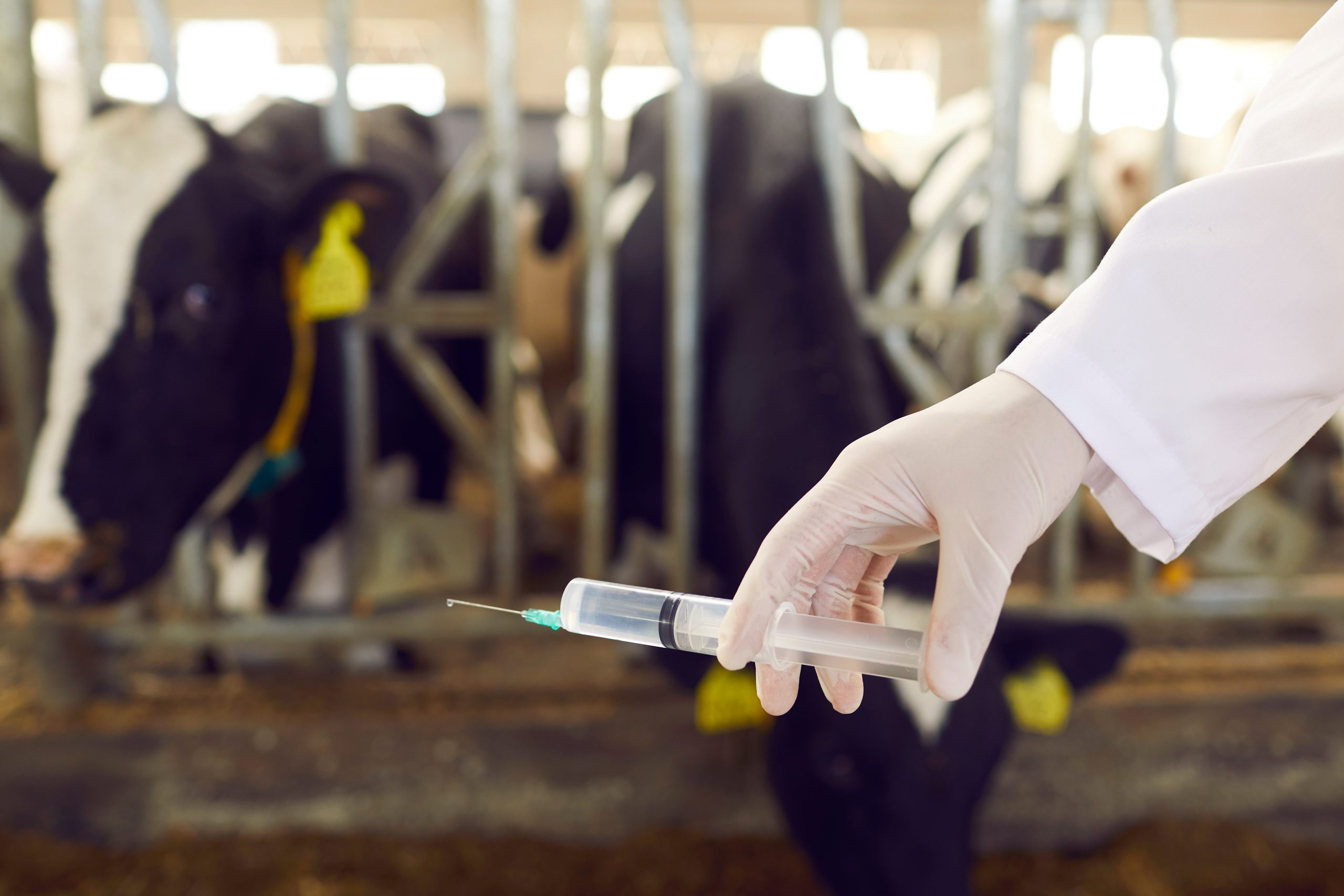
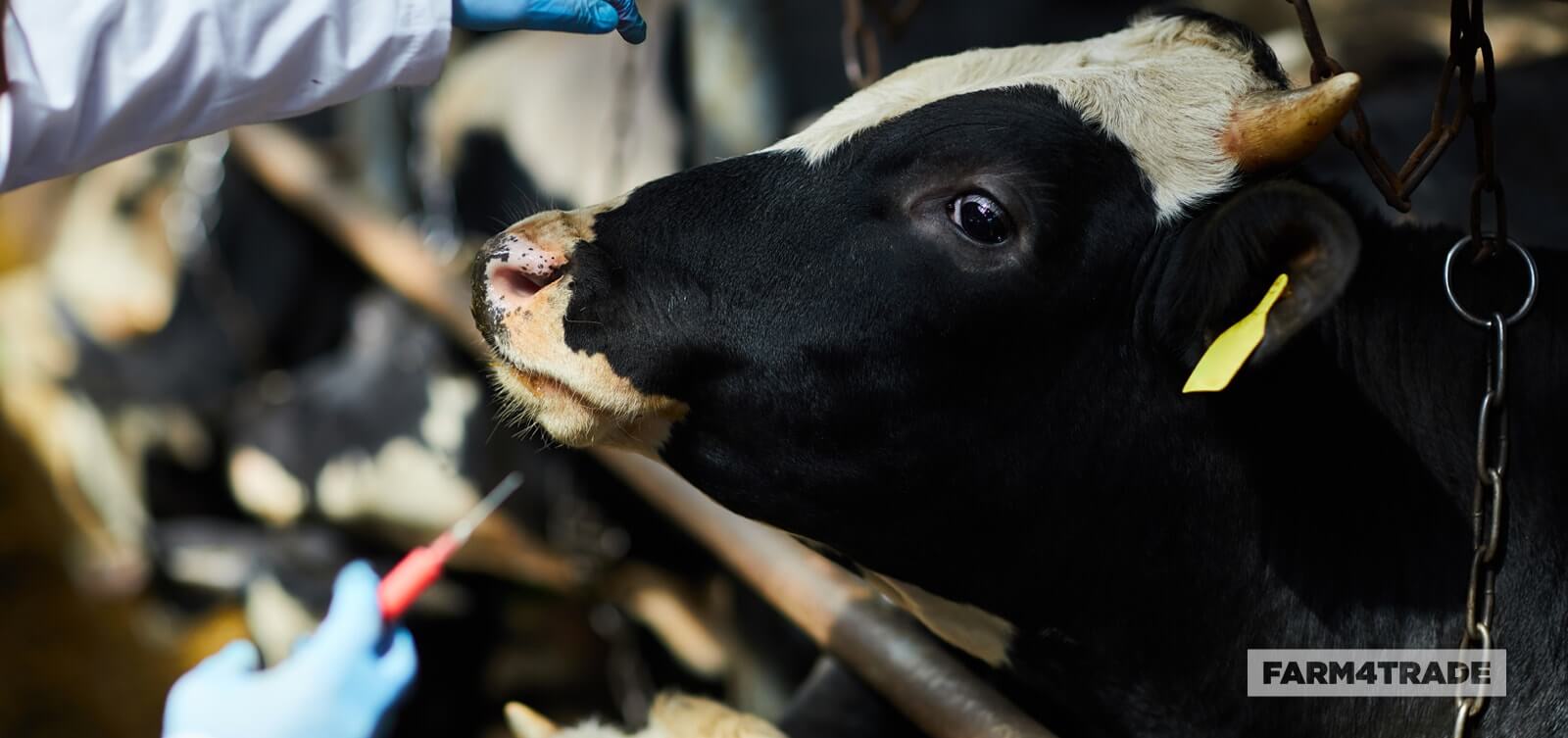
Vaccination is not an expense—it is an investment in the health, productivity, and profitability of livestock. Farmers who adopt regular vaccination programs not only secure the future of their farms but also contribute to food security and public health.
At Vettech Solutions Ltd, we provide professional vaccination services, quality vaccines, and expert veterinary guidance to keep your animals healthy and productive. Contact us today at www.vettech.ng to schedule your farm vaccination program.

Common Poultry Diseases and How to Prevent Them

Poultry farming is one of the fastest-growing agricultural businesses in Nigeria and across
Africa. However, one of the major challenges farmers face is disease outbreaks. Poultry
diseases can lead to high mortality, reduced egg production, and serious financial losses.
The good news is that with proper management and prevention strategies, most of these
diseases can be controlled.

Newcastle Disease (ND)
Cause: Viral infection.
Symptoms: Sneezing, coughing, greenish diarrhea, twisted neck, sudden death.
Prevention:

– Vaccinate birds at the right age.

– Maintain strict biosecurity on the farm.

– Avoid mixing new birds with existing flocks without quarantine.

Infectious Bursal Disease (IBD / Gumboro)
Cause: Viral infection affecting young chickens.
Symptoms: Ruffled feathers, trembling, diarrhea, sudden high mortality.
Prevention:

– Proper vaccination program.

– Strict hygiene and sanitation in poultry houses.

– Disinfect equipment regularly.

Coccidiosis
Cause: Protozoa parasites in the intestines.
Symptoms: Bloody droppings, weakness, poor growth, high feed consumption but low
weight gain.
Prevention:

– Keep litter dry and clean.

– Use coccidiostats in feed or water (as prescribed).

– Avoid overcrowding in poultry houses.

Fowl Cholera
Cause: Bacterial infection (Pasteurella multocida).
Symptoms: Loss of appetite, greenish diarrhea, swelling of joints/wattles, sudden death.
Prevention:

– Maintain good hygiene and rodent control.

– Vaccinate against fowl cholera.

– Provide clean water and feed.

Avian Influenza (Bird Flu)
Cause: Highly contagious viral disease.
Symptoms: Sudden death, respiratory distress, swollen head and face, bluish comb and
wattles.
Prevention:

– Report any sudden deaths to veterinary authorities immediately.

– Strict biosecurity (limit visitors, disinfect boots & equipment).

– Avoid contact with wild birds.

Marek’s Disease
Cause: Viral infection affecting nerves and causing paralysis.
Symptoms: Paralysis of wings/legs, weight loss, vision problems.
Prevention:

– Vaccinate day-old chicks.

– Buy chicks from reputable hatcheries only.

General Prevention Tips

– Vaccination Schedule: Follow a proper vaccination program for broilers and layers.

– Biosecurity: Restrict farm access, disinfect regularly, and control rodents/wild birds.

– Clean Water & Feed: Ensure feed is not contaminated and water is fresh.

– Good Housing: Provide well-ventilated, spacious housing to reduce stress and disease.

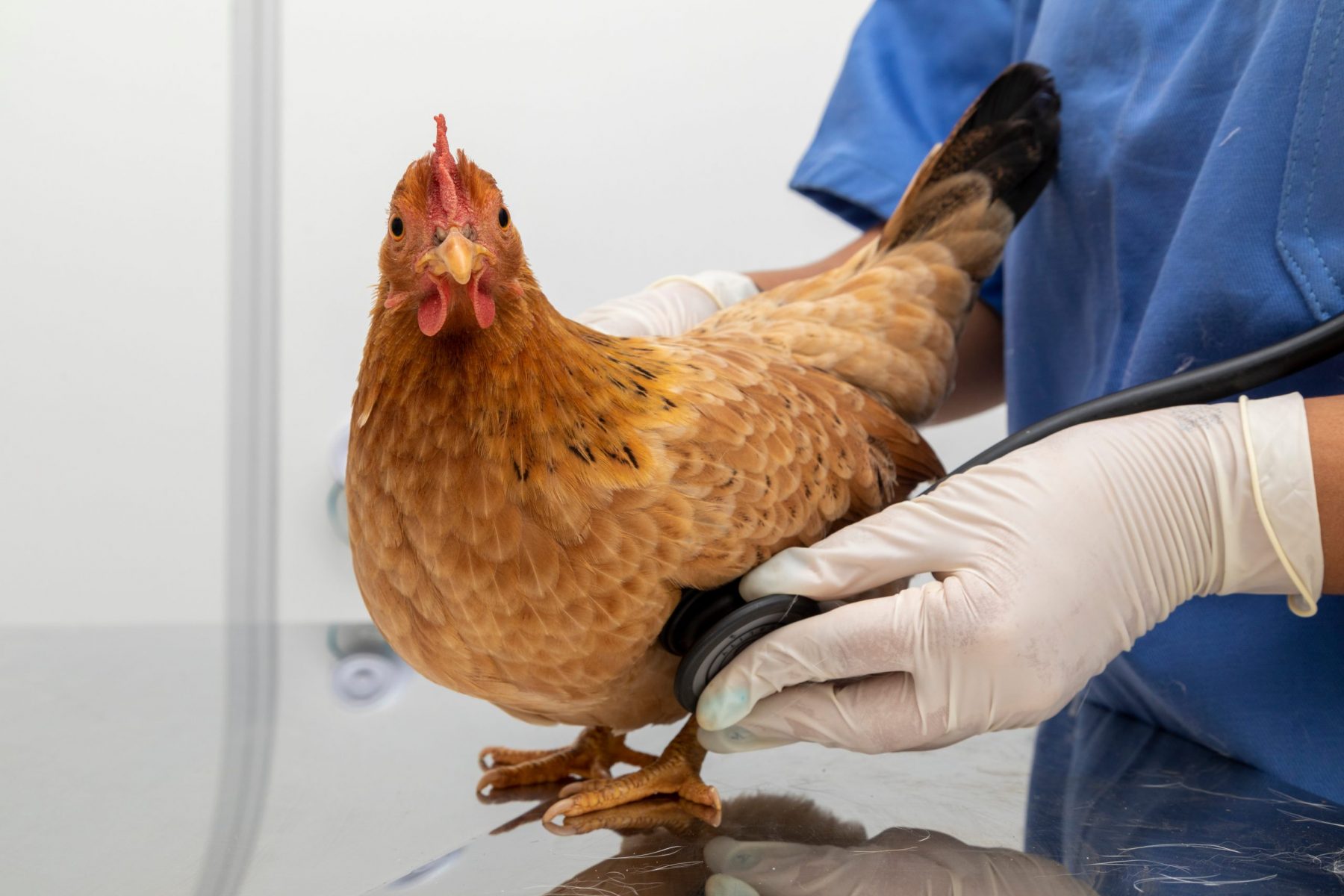
– Regular Vet Check: Consult veterinary experts for proper diagnosis and treatment.

Conclusion
Poultry diseases can be devastating, but prevention is always cheaper than cure. By
maintaining proper vaccination, good hygiene, and strict biosecurity, you can reduce losses
and improve productivity on your farm. At Vettech Solutions Ltd, we provide expert
veterinary services, quality vaccines, and farm consultancy to help farmers achieve
profitable poultry production.

Contact us today for your poultry health needs and farm management support.

Best Practices for Raising Healthy Broilers and Layers

Poultry farming has grown into one of the most profitable agricultural ventures around the
world. With the increasing demand for both meat and eggs, farmers are turning to broiler
and layer production as a reliable source of income. However, to achieve maximum
productivity, farmers must adopt the right management practices that ensure the health,
growth, and welfare of the birds. This blog post provides a detailed guide on best practices
for raising healthy broilers (for meat) and layers (for eggs).

1. Proper Housing and Ventilation
The first step to raising healthy poultry is providing suitable housing. A good poultry house
should protect birds from harsh weather conditions such as rain, excessive heat, and cold. It
must also be constructed in a way that prevents entry of predators such as snakes, rodents,
and wild birds. – Ensure adequate ventilation: Fresh air is essential for respiration and removal of excess
moisture and ammonia fumes. Cross ventilation with wire mesh sides is recommended. – Space management: Avoid overcrowding. Overcrowded birds are more likely to suffer
stress, fight, and spread diseases. For broilers, plan about 8–10 birds per square meter. For
layers, provide space for feeding, perching, and nesting. – Flooring: Use dry litter such as wood shavings, rice husk, or sawdust. Litter should be 2–3
inches deep and regularly turned to keep it dry and free from caking. – Hygiene: Disinfect the house before introducing new chicks and practice an all-in-all-out
system where possible.

2. Feeding and Nutrition
Feeding is one of the most important factors influencing growth and egg production. Birds
require balanced nutrition containing energy, protein, vitamins, and minerals at different
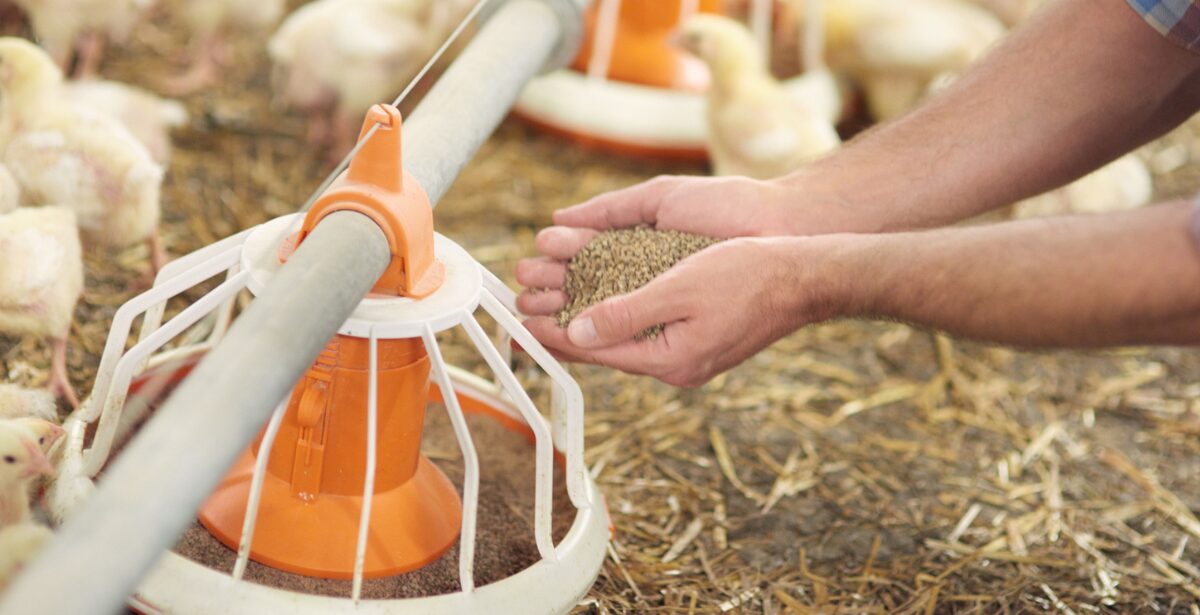
growth stages. – Use quality commercial feed: Avoid feed from unreliable sources. Invest in reputable feed
brands to prevent poor growth or low egg yield. – Stage-specific feeding: For broilers, provide starter, grower, and finisher feeds at the right
stages. For layers, feed chick mash, grower mash, and layer mash as they develop. – Water: Clean and cool drinking water should be available at all times. Birds consume
almost twice as much water as feed. – Supplementation: During stressful periods such as hot weather or after vaccination,
provide vitamins, electrolytes, or probiotics to boost immunity and recovery.

3. Health Management and Biosecurity
Poultry health is vital to profitability. Diseases can spread quickly and cause huge losses.
Preventive health management is therefore essential. – Vaccination: Follow a strict vaccination schedule for common diseases such as Newcastle
Disease, Gumboro, Marek’s disease, and Fowl Pox. – Biosecurity: Limit visitors to the poultry house, provide footbaths, disinfect equipment,
and prevent contact with wild birds. – Daily monitoring: Observe your flock daily for signs of sickness such as reduced feed
intake, drooping wings, diarrhea, or coughing. Early detection saves lives. – Isolation: Immediately isolate sick birds to prevent spread. – Veterinary care: Establish a relationship with a professional veterinarian who can guide
vaccination schedules, prescribe treatment, and offer expert advice.

4. Temperature, Lighting, and Environment
Environmental management plays a big role in poultry performance. Birds are very
sensitive to temperature and light. – Brooding: For day-old chicks, maintain a brooding temperature of 32–34°C in the first
week and reduce by 2–3°C weekly until fully feathered. – Temperature stress: High heat leads to panting, reduced feed intake, and mortality.
Provide ventilation and cool water during hot weather. During cold, supply warmth with
heaters or charcoal stoves. – Lighting: For layers, provide 14–16 hours of light daily to maintain egg production. For
broilers, manage lighting to balance growth and feed consumption.

5. Record Keeping and Farm Management
Successful poultry farming requires proper record keeping and management discipline.
Records help farmers make informed decisions and track performance. – Keep records of feed consumption, mortality, vaccination, egg collection, and sales. – Analyze records to detect trends and areas of improvement. – Train workers in hygiene, feeding, and flock management to avoid mistakes.

6. Marketing and Profitability
Beyond production, profitability depends on how well you market your birds and eggs.
Farmers must understand market demand and plan production accordingly. – Market timing: For broilers, target festive periods such as Christmas, Easter, and Ramadan
when demand and prices are higher. – Egg sales: Build relationships with bakeries, restaurants, schools, and households for a
steady egg market. – Cost management: Reduce costs by minimizing feed wastage, buying in bulk, and ensuring
good flock health to avoid losses.

Conclusion
Raising healthy broilers and layers is a rewarding business when the right practices are
followed. From proper housing and feeding to vaccination, biosecurity, and record-keeping,
every detail counts. Farmers who invest in good management practices will enjoy higher
productivity, reduced losses, and better profits.
At Vettech Solutions Ltd, we are committed to supporting farmers with quality feeds,
veterinary drugs, consultancy services, and technical training to ensure success in poultry
farming. Visit us at www.vettech.ng to learn more about how we can help you farm smarter.

Why Layers Suddenly Stop Laying Eggs. Causes and Solutions for Poultry Farmers.

For poultry keepers, nothing is more frustrating than waking up to find your layers have stopped laying eggs without warning. Whether you’re managing a small backyard flock or a larger commercial setup, a sudden drop in egg production can be alarming, and costly.

Understanding the possible causes can help you take quick corrective action to keep your birds healthy and your production steady.

1. Molting: A Natural Pause

Molting is the natural process where hens shed old feathers and grow new ones. It typically happens once a year and can last from a few weeks to over a month. During this period, egg production slows down or stops completely, as the bird’s energy is redirected to feather regrowth.

✅ What to do:
Increase protein in their diet to support feather growth and recovery. Avoid introducing new stressors during this time.

2. Stress and Environmental Disruptions

Chickens are sensitive to changes in their environment. Stress from handling, noise, predator threats, overcrowding, poor ventilation, or relocation can cause hens to stop laying.

✅ What to do:
Ensure your birds have a quiet, secure, and clean living space. Maintain a consistent routine and minimize sudden changes in feed or housing.

3. Inadequate Nutrition

Layers need a balanced diet rich in calcium, protein, and essential vitamins. Inexpensive or poorly formulated feed may lead to nutritional deficiencies, which directly impact egg production and shell quality.

✅ What to do:
Use quality commercial layer mash and supplement with calcium sources like oyster shells or crushed eggshells. Ensure access to clean water at all times.

4. Diseases or Parasites

Illnesses, worm infestations, and external parasites like mites or lice can silently affect your birds’ health and disrupt egg production even before obvious symptoms appear.

✅ What to do:
Implement a regular vaccination and deworming schedule. Keep your coop dry, well-ventilated, and hygienic. Isolate sick birds early to prevent spread.

5. Age and Breed

Layers generally begin producing at 5–6 months and peak between 6 to 18 months of age. After this period, egg production naturally declines. Some breeds are also more productive than others.

✅ What to do:
Plan flock rotation by introducing new pullets every 6–12 months. Select high-performance breeds suited to your production goals and climate.

📝 Final Thoughts
Sudden drops in egg production often have clear, manageable causes. With close observation, proper management, and good nutrition, you can restore your flock’s productivity and ensure long-term success.

Где найти актуальные зеркала казино Pinco быстро


Где быстро найти актуальные зеркала казино Pinco


Посетить сайт и получить доступ к ресурсам Pinco можно через разные ссылки. Например, проверьте Pinco зеркало, чтобы насладиться любимыми азартными играми без преград.

Для тех, кто сталкивался с трудностями доступа, есть несколько надёжных источников. Один из подходов заключается в использовании специализированных форумов, где игроки делятся актуальными адресами. Следите за обновлениями и обсуждениями, чтобы не пропустить новые ссылки.

Также сотрудничество с информационными порталами азартной тематики может оценить ценность. Многие из них публикуют свежие ссылки, которые проверяются на работоспособность. Обязательно проверяйте их перед использованием, чтобы уверенно войти в игру.

Поиск зеркал на официальном сайте казино Pinco

Для доступа к альтернативным платформам играющим необходимо посетить раздел новостей на официальном сайте. Там размещаются свежие ссылки, что значительно упрощает процесс. Регулярное обновление информации позволяет избежать проблем с доступом к ресурсам.

Рекомендуется подписаться на рассылку новостей или уведомлений от данного заведения. Получая обновления непосредственно на электронную почту, можно своевременно узнавать о новых адресах входа.

  • Проверка социальных сетей, особенно на официальных страницах:
    • Facebook
    • Instagram
    • Telegram

Следует быть осторожным с неофициальными ресурсами, которые могут путать игроков. На официальном сайте всегда будет актуальная информация, в отличие от сторонних источников.

Использование специализированных ресурсов для мониторинга зеркал

Рекомендуется обращаться к платформам, которые посвящены обновлениям и новостям в сфере азартных игр. Они предлагают регулярные отчёты о сменах адресов, что позволяет быть в курсе актуальной информации.

Пользуйтесь специализированными сайтами и форумами. Например, сообщества игроков часто делятся свежими ссылками на новые площадки и отзывами об их работе. Это позволяет не только оставаться на связи, но и получать советы от опытных участников.

Обратите внимание на агрегаторы. Они собирают информацию из разных источников и представляют её в удобном формате. Здесь можно быстро обнаружить рабочие ссылки и их статус, что существенно экономит время.

Следите за социальными сетями. Многие операторы и участники сообщают о сменах адресов через Instagram или Telegram. Регулярные обновления и уведомления помогут всегда оставаться информированными.

Разработайте стратегию использования нескольких ресурсов для мониторинга. Сравнивайте информацию с различных источников для достижения максимальной точности. Это позволит избежать недостоверных сведений и не потерять доступ к любимым играм.

Используйте функцию уведомлений на платформах, которыми вы доверяете. Это значительно упростит процесс получения свежей информации о сменах адресов, так как вы будете получать уведомления непосредственно на своё устройство.

Проверьте рейтинги и отзывы о ресурсах, которые вы собираетесь использовать. Опирайтесь на мнения других пользователей, чтобы выбирать только надёжные и проверенные источники информации, что повысит ваши шансы избежать мошенничества.

Подписка на уведомления о смене зеркал казино Pinco

Подписка на уведомления о смене доступных платформ позволит игрокам оставаться в курсе свежих обновлений. Для подключения к уведомлениям, игрокам рекомендуется зарегистрироваться на официальном сайте и указать свой электронный адрес. Это позволит получать мгновенные оповещения о любых изменениях в доступности игровых площадок и возможности поиграть в любимые слоты.

Существует несколько способов подписки на уведомления:

  • Email-рассылки – заполнив форму на сайте, игроки смогут легко получать новые ссылки.
  • Телеграмм-каналы – информация будет оперативно доступна в мессенджере, что удобно для всех.
  • Мобильные приложения – многие платформы предлагают специальные функции для настройки уведомлений.

Также стоит обратить внимание на сторонние ресурсы, которые могут предоставлять актуальные данные о новых адресах. Однако, будьте осторожны с выбором источников информации, чтобы избежать мошенничества. Проверяйте репутацию сайта и его надежность перед подпиской на уведомления.

Метод подписки Преимущества Недостатки
Email-рассылка Простота и доступность Возможны спам-фильтры
Телеграмм-каналы Оперативные уведомления Зависимость от наличия приложения
Мобильные приложения Интеграция с другими функциями Необходимость установки


Wazawa lustra co przyniosło w roku 2026


Co przyniosło Wazawa lustra w roku 2026


Trendy na rynku gier hazardowych w 2026 roku wymagają szczególnej uwagi. Kluczowe innowacje oraz zmiany w regulacjach prawnych mają ogromny wpływ na doświadczenia graczy oraz operatorów. Świetnym przykładem nowoczesnych rozwiązań są platformy online, które znacząco zwiększyły dostępność gier kasynowych, dając graczom możliwość cieszenia się rozrywką bez wychodzenia z domu.

Rok ten napotkał także na znaczący rozwój zabezpieczeń, co zwiększyło zaufanie użytkowników do platform gamingowych. Ważnym krokiem było dostosowanie technologii blockchain do transakcji, co uczyniło je bardziej przejrzystymi i bezpiecznymi. Zwiększenie prywatności oraz ochrona danych osobowych stały się priorytetami dla wielu operatorów.

Warto również zwrócić uwagę na popularność gier z krupierami na żywo, które zyskały rzesze zwolenników dzięki interakcji oraz realizmowi. Gracze poszukują autentycznych doświadczeń, co wpływa na rozwój nowoczesnych narzędzi, takich jak wirtualna rzeczywistość. Naturalnym krokiem w tym kontekście jest możliwość skorzystania z linku do zеркало казино вавада, które oferuje rozbudowaną gamę gier w środowisku na żywo.

Naprawdę, 2026 rok przyniósł impulsy pozytywnych zmian, które z pewnością będą miały swoje odbicie w przyszłości branży hazardowej. Przemiany te świadczą o rozwijającym się rynku, który stale dostosowuje się do potrzeb i oczekiwań graczy.

Jak Wazawa lustra wpłynęły na lokalny rynek szkła?

Wzrost popytu na luksusowe wyroby szklane w regionie zaowocował znaczącą zmianą w lokalnym przemyśle. Producentom udało się zwiększyć swoją ofertę o nowoczesne kolekcje, które przyciągnęły klientów ze średniej i wyższej półki.

  • Nowi klienci: Wyraźny wzrost liczby klientów poszukujących unikatowych produktów sprawił, że lokalne firmy musiały dostosować swoje strategie marketingowe.

Wartościowe partnerstwa z renomowanymi projektantami oraz artystami przyczyniły się do zwiększenia prestiżu lokalnych zakładów. Efektem tego były liczne wystawy oraz eventy promujące unikalne kolekcje.

  1. Analizując rynek, zauważono, że:
  2. Popyt na szkło artystyczne wzrósł o 30% w ciągu ostatnich 6 miesięcy.

Co więcej, rynki międzynarodowe zaczęły interesować się lokalnymi produktami, co zaowocowało eksportem na poziomie 15% rocznego obrotu branży. To z kolei wpłynęło na rozwój sektora produkcyjnego, zwiększając zatrudnienie o 20%.

  • Kompetytywność cenowa: Aby sprostać rosnącym wymaganiom, przedsiębiorstwa musiały zainwestować w nowoczesne technologie produkcyjne, co obniżyło koszty jednostkowe.
  • Świeże pomysły: Wprowadzenie innowacyjnych wzorów i technik, takich jak ręczne formowanie szkła, stało się kluczowe dla przyciągania klientów.

Współpraca z e-sklepami z sektora luksusowego umożliwiła dotarcie do szerszego grona odbiorców, co przyczyniło się do wzrostu sprzedaży i widoczności na rynku. Zwiększenie obecności w Internecie to doskonała strategia na nadchodzące lata.

Podsumowując, zmiany na lokalnym rynku szkła będą miały długofalowy wpływ na rozwój branży, otwierając nowe możliwości dla producentów oraz stymulując innowacyjność w projektowaniu.

Zmiany w trendach designu wnętrz dzięki Wazawa lustrom

Obecnie zwiększa się zainteresowanie lustrami o nietypowych kształtach. Wprowadzenie asymetrycznych i organicznych form zmienia sposób, w jaki postrzegamy przestrzeń. Te unikalne elementy designu mogą optycznie powiększać pomieszczenia i dodawać im charakteru. Dlatego warto inwestować w modele, które nie tylko odbijają światło, ale także stają się dekoracyjnym elementem wnętrza.

Popularne style i kolorystyka

Wzory inspirowane naturą oraz kolory ziemi dominują w trendach aranżacyjnych. Lustra w odcieniach beżu, zieleni i brązu harmonizują z ekologicznie tworzonymi meblami. Zastosowanie drewnianych ramek oraz materiałów naturalnych wzbogaca estetykę przestrzeni, tworząc przytulną atmosferę.

Nie bez znaczenia jest także minimalistyczny styl, który cieszy się niesłabnącą popularnością. Lustra o prostych, geometrycznych kształtach stają się kluczowym elementem wystroju. Czyste linie i jasne kolory łatwo wkomponowują się w nowoczesne aranżacje, dodając im lekkości.

Funkcjonalność i innowacje

Warto zauważyć, że lustra zachwycają innowacjami technologicznymi. Modele z wbudowanym oświetleniem LED czy inteligentnymi funkcjami, jak podgrzewane tafle, ułatwiają codzienne życie. Dzięki nim można nie tylko ułatwić sobie poranne rytuały, ale też wprowadzić nowoczesne udogodnienia do łazienki czy sypialni.


Back to Top
Product has been added to your cart
Compare (0)