Vettech

The Importance of Vaccination in Livestock Production

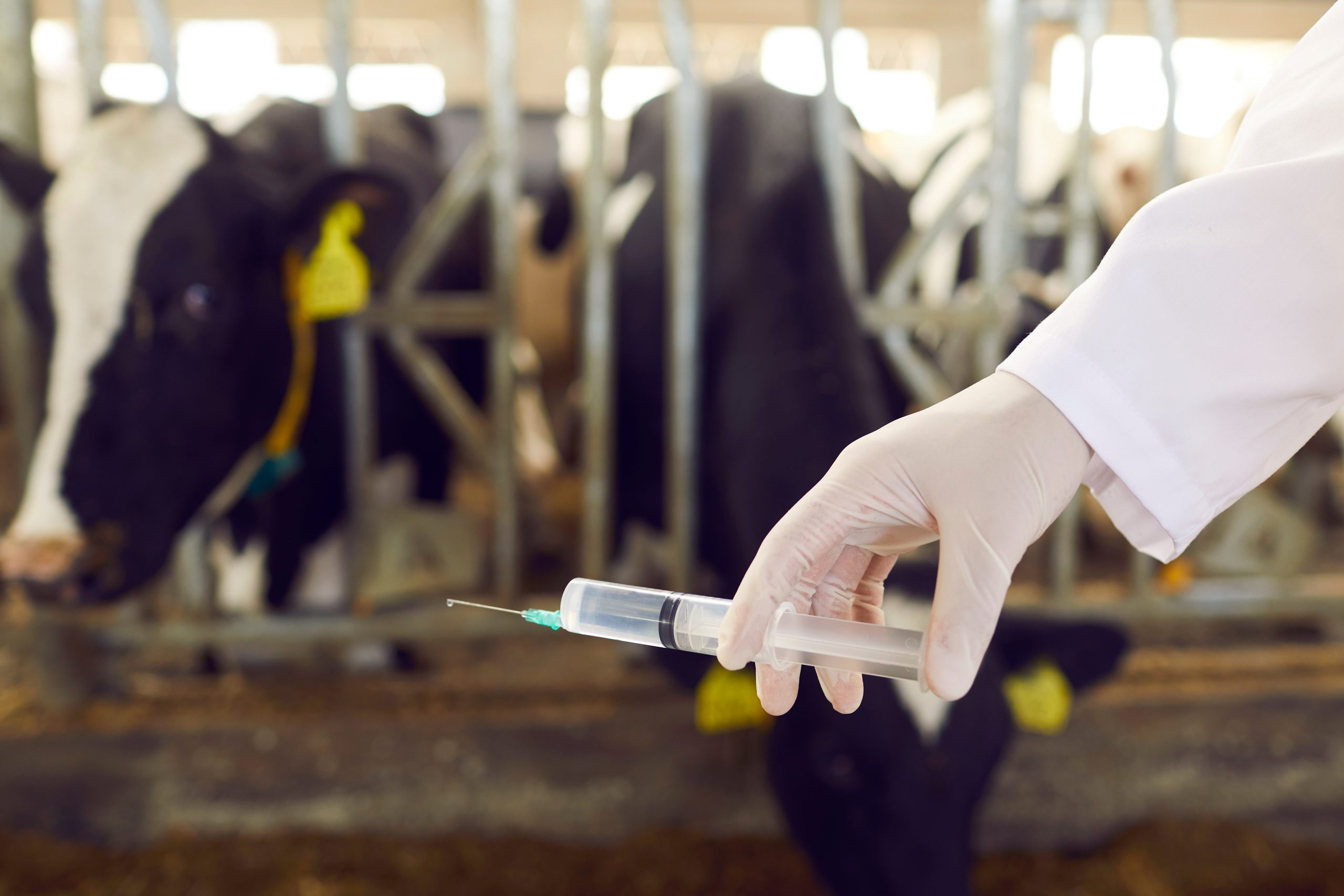
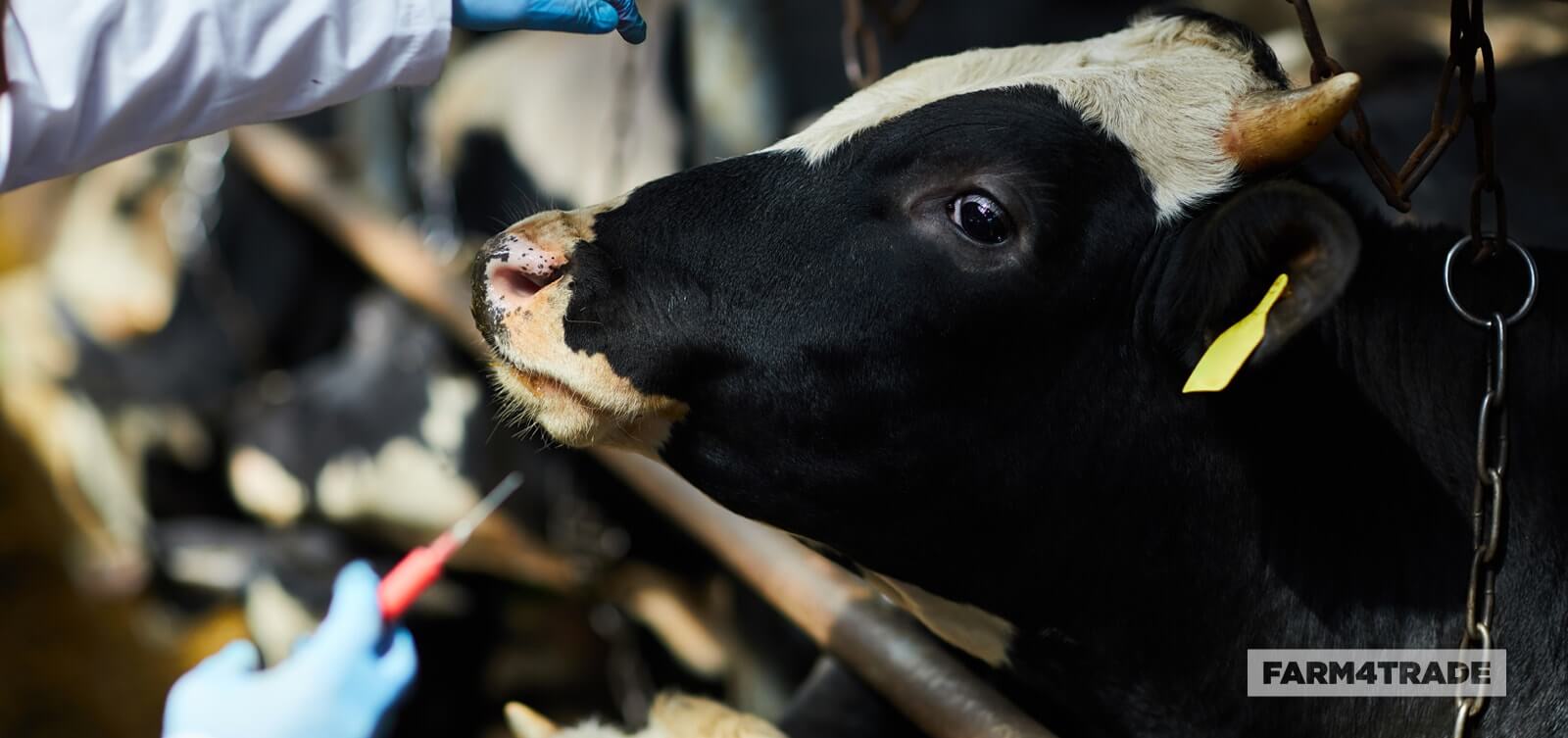
In modern livestock production, one of the most effective tools for ensuring healthy animals, sustainable farming, and higher productivity is vaccination. Just like in humans, vaccines play a critical role in preventing deadly diseases, reducing economic losses, and improving overall farm efficiency. For farmers who want to maximize profit and reduce risks, vaccination should never be overlooked.

1. Protects Animals from Deadly Diseases

Livestock are constantly exposed to pathogens that can cause serious illnesses such as Newcastle disease, Gumboro, Anthrax, Foot-and-Mouth Disease, and Avian Influenza. Vaccines help build immunity in animals, preparing their bodies to fight these infections before they cause harm. This protection ensures better survival rates and healthier herds or flocks.

2. Improves Farm Productivity

Healthy animals eat better, grow faster, and reproduce more effectively. By preventing disease outbreaks, vaccination allows farmers to achieve better weight gain, higher egg production, and improved milk yield. This directly translates into higher profits and reduced production costs.

3. Reduces Economic Losses

A single disease outbreak can wipe out months or even years of investment. Vaccination is a preventive measure that saves farmers from costly treatments, reduced market value of sick animals, and losses from mortality. In fact, the cost of vaccination is much lower than the losses associated with disease outbreaks.

4. Promotes Food Safety and Public Health

Some livestock diseases can spread from animals to humans (zoonotic diseases). Vaccination reduces the chances of such diseases being transmitted through meat, milk, and eggs. By keeping animals healthy, farmers also contribute to the production of safe and wholesome food for consumers.

5. Supports Sustainable Farming

Vaccination minimizes the overuse of antibiotics and other medications, helping to reduce drug resistance in both animals and humans. It also aligns with global best practices in animal welfare and sustainable farming, making vaccinated farms more competitive in local and international markets.

Conclusion

Vaccination is not an expense—it is an investment in the health, productivity, and profitability of livestock. Farmers who adopt regular vaccination programs not only secure the future of their farms but also contribute to food security and public health.

At Vettech Solutions Ltd, we provide professional vaccination services, quality vaccines, and expert veterinary guidance to keep your animals healthy and productive. Contact us today at www.vettech.ng to schedule your farm vaccination program.
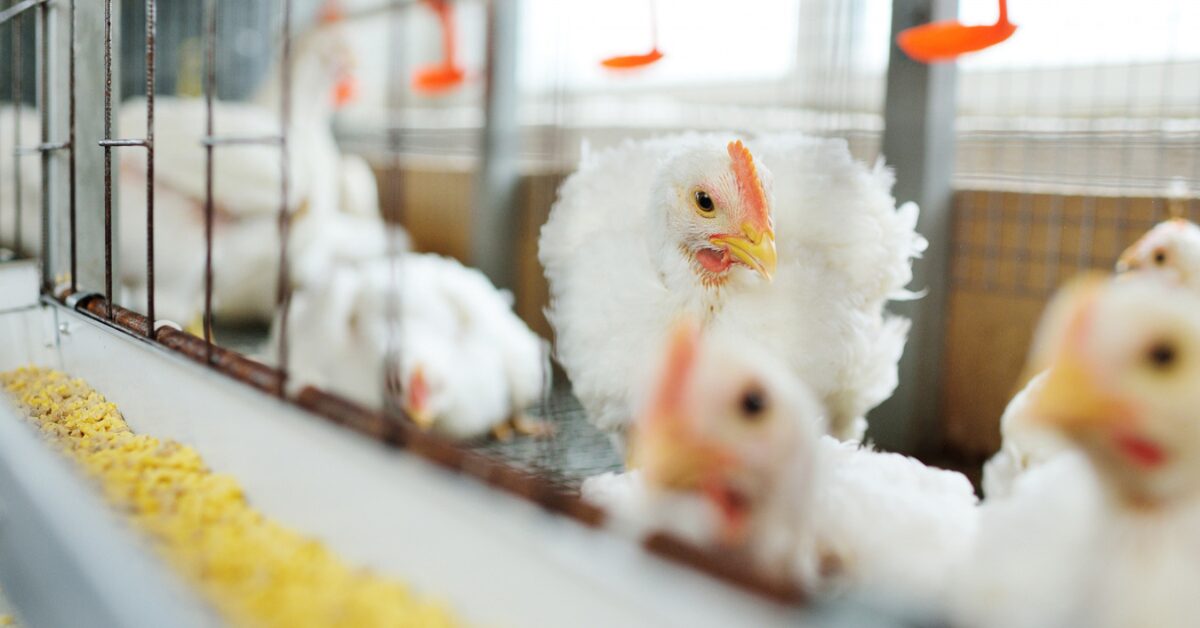
Understanding Antibiotics and Alternatives in Animal Health

Antibiotics have been a cornerstone of modern veterinary medicine for decades. They play a critical role in treating bacterial infections, improving livestock survival, and supporting productivity. However, overreliance and misuse of antibiotics in animal farming have raised global concerns about antibiotic resistance, food safety, and sustainability. For farmers, understanding how to use antibiotics responsibly—and exploring viable alternatives—is essential for long-term success in livestock production.

1. The Role of Antibiotics in Animal Health

Antibiotics are used to:

  • Treat bacterial infections such as respiratory diseases, diarrhea, and mastitis.
  • Prevent infections in situations of high disease risk.
  • Support animal welfare by reducing pain and suffering caused by infections.

When used correctly, antibiotics protect the farmer’s investment, keep animals healthy, and maintain productivity.

2. The Challenges of Antibiotic Misuse

Unfortunately, antibiotics are sometimes overused or misused in livestock production. This can happen when farmers:

  • Use antibiotics without veterinary prescription.
  • Administer the wrong dosage or duration.
  • Use antibiotics for growth promotion instead of disease treatment.

Such practices contribute to antibiotic resistance, where bacteria adapt and become harder to kill. This is a major global health concern because resistant bacteria can spread from animals to humans, threatening both veterinary and public health.

3. Alternatives to Antibiotics in Animal Health

To reduce reliance on antibiotics, farmers can adopt alternative health-promoting practices:

✅ Vaccination
Protects animals from deadly bacterial and viral diseases, reducing the need for antibiotic treatments.

✅ Probiotics and Prebiotics
These ‘good bacteria’ and feed additives improve gut health, boost immunity, and reduce the incidence of digestive infections.

✅ Herbal and Natural Remedies
Plant extracts and essential oils (such as garlic, oregano, or neem) have natural antimicrobial and immune-boosting properties.

✅ Good Farm Management

  • Proper hygiene and biosecurity.
  • Adequate housing and ventilation.
  • Balanced nutrition.
  • Stress reduction.

These measures create stronger animals that are less prone to infections.

4. Striking the Right Balance

The future of animal farming is not about eliminating antibiotics completely, but about responsible use. Farmers should:

  • Use antibiotics only under veterinary guidance.
  • Follow correct dosage and withdrawal periods.
  • Combine antibiotics with preventive strategies such as vaccination, biosecurity, and natural alternatives.

Conclusion

Antibiotics remain an important tool in livestock production, but they should never be a substitute for good management practices. By adopting a balanced approach—using antibiotics responsibly and embracing safe alternatives—farmers can protect animal health, safeguard consumers, and ensure sustainable farming.

At Vettech Solutions Ltd, we are committed to guiding farmers on the proper use of antibiotics, while also providing natural alternatives, vaccines, and expert veterinary advice to promote healthy and profitable farms. Visit us at www.vettech.ng to learn more.

The Role of Biosecurity in Preventing Farm Outbreaks

Biosecurity is one of the most important aspects of modern livestock farming. It refers to
the practices and measures put in place to prevent the introduction and spread of diseases
on farms. A single disease outbreak can cause huge financial losses, reduced productivity,
and even total collapse of a livestock enterprise. By implementing strong biosecurity
measures, farmers can protect their animals, staff, and business.

What is Biosecurity?

Biosecurity is the set of preventive actions designed to keep harmful pathogens (bacteria,
viruses, parasites, and fungi) away from animals. It includes everything from farm hygiene,
visitor control, and feed management to vaccination and waste disposal.

Why Biosecurity is Important

  • Disease Prevention – Reduces the risk of outbreaks such as Newcastle disease in
    poultry, foot-and-mouth disease in cattle, or PPR in goats.
  • Improved Productivity – Healthy animals grow faster, produce more milk, meat, or eggs,
    and reproduce better.
  • Cost Savings – Prevention is cheaper than treatment or losses from mortality.
  • Food Safety – Reduces the risk of transmitting diseases from animals to humans
    (zoonotic diseases).
  • Market Access – Many buyers prefer animals and products from farms with strong
    biosecurity practices.

Key Biosecurity Practices

Farm Access Control:

  • Restrict visitors and unauthorized vehicles from entering animal areas.
  • Provide footbaths and wheel disinfectants at entry points.
  • Use protective clothing and footwear for farm staff and visitors.

Animal Management:

  • Quarantine new or sick animals before mixing with the main herd/flock.
  • Avoid mixing animals from different sources.
  • Implement regular vaccination programs.

Feed and Water Safety:

  • Ensure feed is stored in clean, dry areas to avoid contamination by rodents or mold.
  • Provide clean water at all times.
  • Avoid sharing feeding equipment across different animal groups.

Farm Hygiene:

  • Regularly clean and disinfect animal housing, equipment, and transport vehicles.
  • Practice proper manure and waste disposal.
  • Control pests such as rodents, flies, and wild birds that spread diseases.

Monitoring and Record Keeping:

  • Keep accurate records of animal health, treatments, and mortalities.
  • Monitor animals daily for early signs of illness.
  • Report unusual disease symptoms quickly to a veterinarian.

Species-Specific Considerations

  • Healthy, productive animals
  • Reduced reliance on antibiotics and treatments
  • Increased farm profitability
  • Better public image and market opportunities

Final Thoughts

Biosecurity is not a one-time action but a continuous commitment. Every farmer, staff
member, and visitor plays a role in protecting livestock from deadly outbreaks. Strong
biosecurity ensures healthier animals, higher profits, and sustainable farming.

Remember: Prevention is always cheaper than cure.

Understanding Animal Welfare and Why It Matters

Animal welfare is more than just providing food and water to animals. It is about ensuring that animals under our care live healthy, comfortable, and stress-free lives. Whether you are managing livestock, poultry, pets, or working animals, prioritizing welfare practices is essential for productivity, public health, and ethical responsibility.

What is Animal Welfare?

Animal welfare refers to the physical and mental well-being of animals. It involves meeting their basic needs such as nutrition, housing, healthcare, and freedom from stress or pain. Good welfare practices ensure that animals can grow, reproduce, and perform naturally without suffering.

The Five Freedoms of Animal Welfare

Globally, animal welfare is guided by the “Five Freedoms”:

  • Freedom from Hunger and Thirst – Access to clean water and balanced diets.
  • Freedom from Discomfort – Proper housing, ventilation, and space.
  • Freedom from Pain, Injury, and Disease – Preventive healthcare and timely treatment.
  • Freedom to Express Normal Behavior – Adequate space and the right environment.
  • Freedom from Fear and Distress – Handling animals calmly and reducing stress.

Why Animal Welfare Matters

  1. Improved Productivity: Animals that are well-fed, stress-free, and healthy grow faster, produce more milk, lay more eggs, and reproduce better.
  2. Food Safety and Quality: Healthy animals produce safe and high-quality food for human consumption, reducing risks of foodborne diseases.
  3. Economic Benefits: Minimizing disease outbreaks and stress leads to reduced veterinary costs, lower mortality, and higher farm profits.
  4. Ethical Responsibility: Farmers, veterinarians, and society at large have a moral obligation to treat animals humanely.
  5. Market Access: International markets increasingly demand animal products that come from welfare-friendly farms. Good welfare practices can open doors for exports.

Practical Ways to Improve Animal Welfare

  • Provide balanced feed and constant access to clean water.
  • Ensure proper housing: enough space, ventilation, and clean bedding.
  • Vaccinate and treat animals promptly to prevent diseases.
  • Train farm staff on proper animal handling and care.
  • Use enrichment practices (such as perches for poultry, scratching posts for goats, and enough exercise space for cattle).
  • Regularly monitor animals for stress, injuries, or abnormal behavior.

Conclusion

Animal welfare is not just a moral duty but a smart farming practice. By ensuring animals live healthy and stress-free lives, farmers achieve better productivity, higher income, and greater acceptance in local and global markets. A strong focus on animal welfare benefits not only the animals but also farmers, consumers, and society as a whole.

Understanding Antibiotics and Alternatives in Animal Health

Antibiotics have been a cornerstone of modern veterinary medicine for decades. They play a critical role in treating bacterial infections, improving livestock survival, and supporting productivity. However, overreliance and misuse of antibiotics in animal farming have raised global concerns about antibiotic resistance, food safety, and sustainability. For farmers, understanding how to use antibiotics responsibly—and exploring viable alternatives—is essential for long-term success in livestock production.

1. The Role of Antibiotics in Animal Health

Antibiotics are used to:

– Treat bacterial infections such as respiratory diseases, diarrhea, and mastitis.

– Prevent infections in situations of high disease risk.

– Support animal welfare by reducing pain and suffering caused by infections.

When used correctly, antibiotics protect the farmer’s investment, keep animals healthy, and maintain productivity.

2. The Challenges of Antibiotic Misuse

Unfortunately, antibiotics are sometimes overused or misused in livestock production. This can happen when farmers:

– Use antibiotics without veterinary prescription.

– Administer the wrong dosage or duration.

– Use antibiotics for growth promotion instead of disease treatment.

Such practices contribute to antibiotic resistance, where bacteria adapt and become harder to kill. This is a major global health concern because resistant bacteria can spread from animals to humans, threatening both veterinary and public health.

3. Alternatives to Antibiotics in Animal Health

To reduce reliance on antibiotics, farmers can adopt alternative health-promoting practices:

✅ Vaccination Protects animals from deadly bacterial and viral diseases, reducing the need for antibiotic treatments.

✅ Probiotics and Prebiotics These ‘good bacteria’ and feed additives improve gut health, boost immunity, and reduce the incidence of digestive infections.

✅ Herbal and Natural Remedies Plant extracts and essential oils (such as garlic, oregano, or neem) have natural antimicrobial and immune-boosting properties.

✅ Good Farm Management

– Proper hygiene and biosecurity.

– Adequate housing and ventilation.

– Balanced nutrition.

– Stress reduction.

These measures create stronger animals that are less prone to infections.

4. Striking the Right Balance

The future of animal farming is not about eliminating antibiotics completely, but about responsible use. Farmers should:

– Use antibiotics only under veterinary guidance.

– Follow correct dosage and withdrawal periods.

– Combine antibiotics with preventive strategies such as vaccination, biosecurity, and natural alternatives.

Conclusion

Antibiotics remain an important tool in livestock production, but they should never be a substitute for good management practices. By adopting a balanced approach—using antibiotics responsibly and embracing safe alternatives—farmers can protect animal health, safeguard consumers, and ensure sustainable farming.
At Vettech Solutions Ltd, we are committed to guiding farmers on the proper use of antibiotics, while also providing natural alternatives, vaccines, and expert veterinary advice to promote healthy and profitable farms. Visit us at www.vettech.ng to learn more.

The Importance of Vaccination in Livestock Production

In modern livestock production, one of the most effective tools for ensuring healthy animals, sustainable farming, and higher productivity is vaccination. Just like in humans, vaccines play a critical role in preventing deadly diseases, reducing economic losses, and improving overall farm efficiency. For farmers who want to maximize profit and reduce risks, vaccination should never be overlooked.

1. Protects Animals from Deadly Diseases

Livestock are constantly exposed to pathogens that can cause serious illnesses such as Newcastle disease, Gumboro, Anthrax, Foot-and-Mouth Disease, and Avian Influenza. Vaccines help build immunity in animals, preparing their bodies to fight these infections before they cause harm. This protection ensures better survival rates and healthier herds or flocks.

2. Improves Farm Productivity

Healthy animals eat better, grow faster, and reproduce more effectively. By preventing disease outbreaks, vaccination allows farmers to achieve better weight gain, higher egg production, and improved milk yield. This directly translates into higher profits and reduced production costs.

3. Reduces Economic Losses

A single disease outbreak can wipe out months or even years of investment. Vaccination is a preventive measure that saves farmers from costly treatments, reduced market value of sick animals, and losses from mortality. In fact, the cost of vaccination is much lower than the losses associated with disease outbreaks.

4. Promotes Food Safety and Public Health

Some livestock diseases can spread from animals to humans (zoonotic diseases). Vaccination reduces the chances of such diseases being transmitted through meat, milk, and eggs. By keeping animals healthy, farmers also contribute to the production of safe and wholesome food for consumers.

5. Supports Sustainable Farming

Vaccination minimizes the overuse of antibiotics and other medications, helping to reduce drug resistance in both animals and humans. It also aligns with global best practices in animal welfare and sustainable farming, making vaccinated farms more competitive in local and international markets.

Conclusion

Vaccination is not an expense—it is an investment in the health, productivity, and profitability of livestock. Farmers who adopt regular vaccination programs not only secure the future of their farms but also contribute to food security and public health.
At Vettech Solutions Ltd, we provide professional vaccination services, quality vaccines, and expert veterinary guidance to keep your animals healthy and productive. Contact us today at www.vettech.ng to schedule your farm vaccination program.
Back to Top
Product has been added to your cart
Compare (0)